
François Durel
Play, Part, Cut (A City)
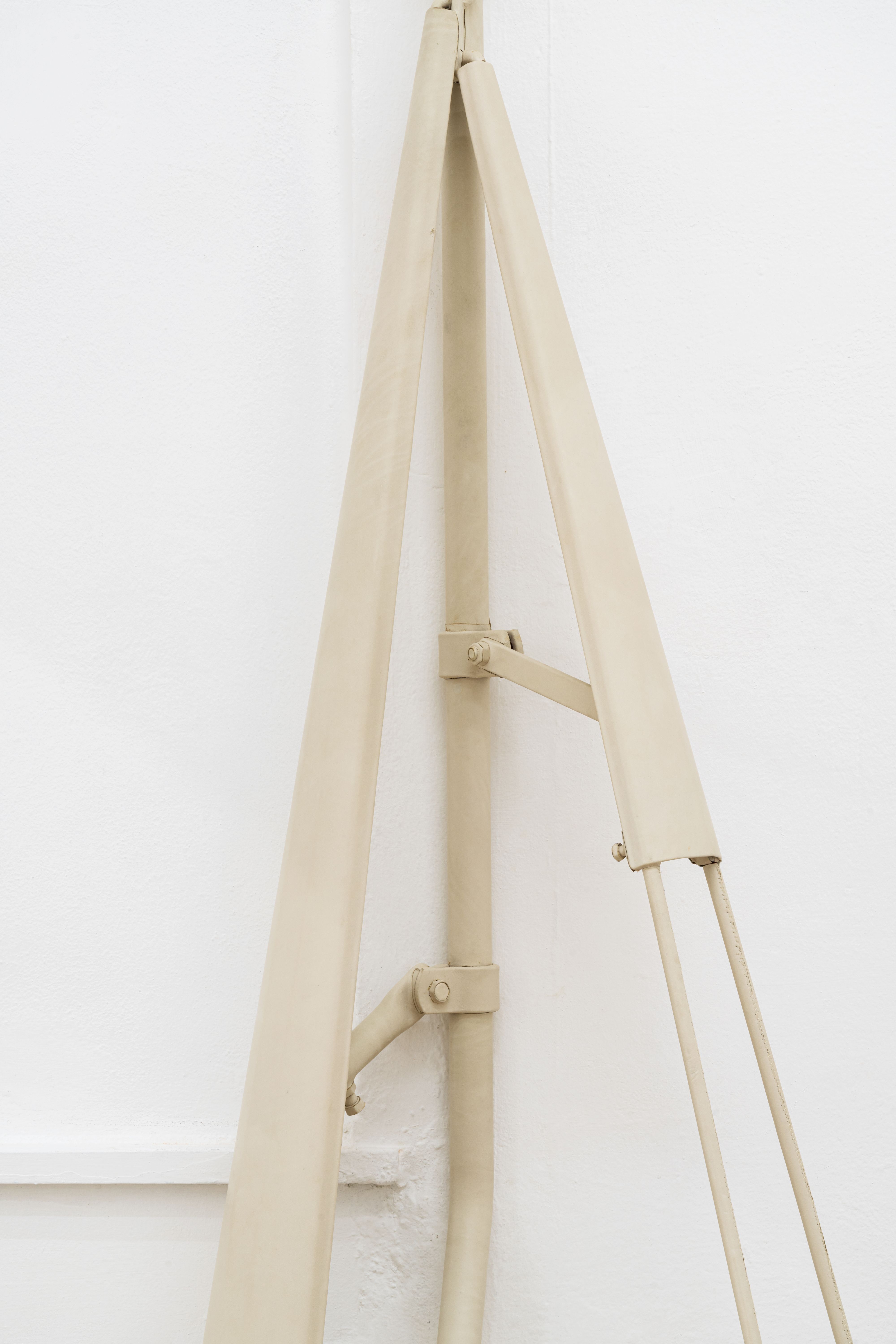
1 / 0
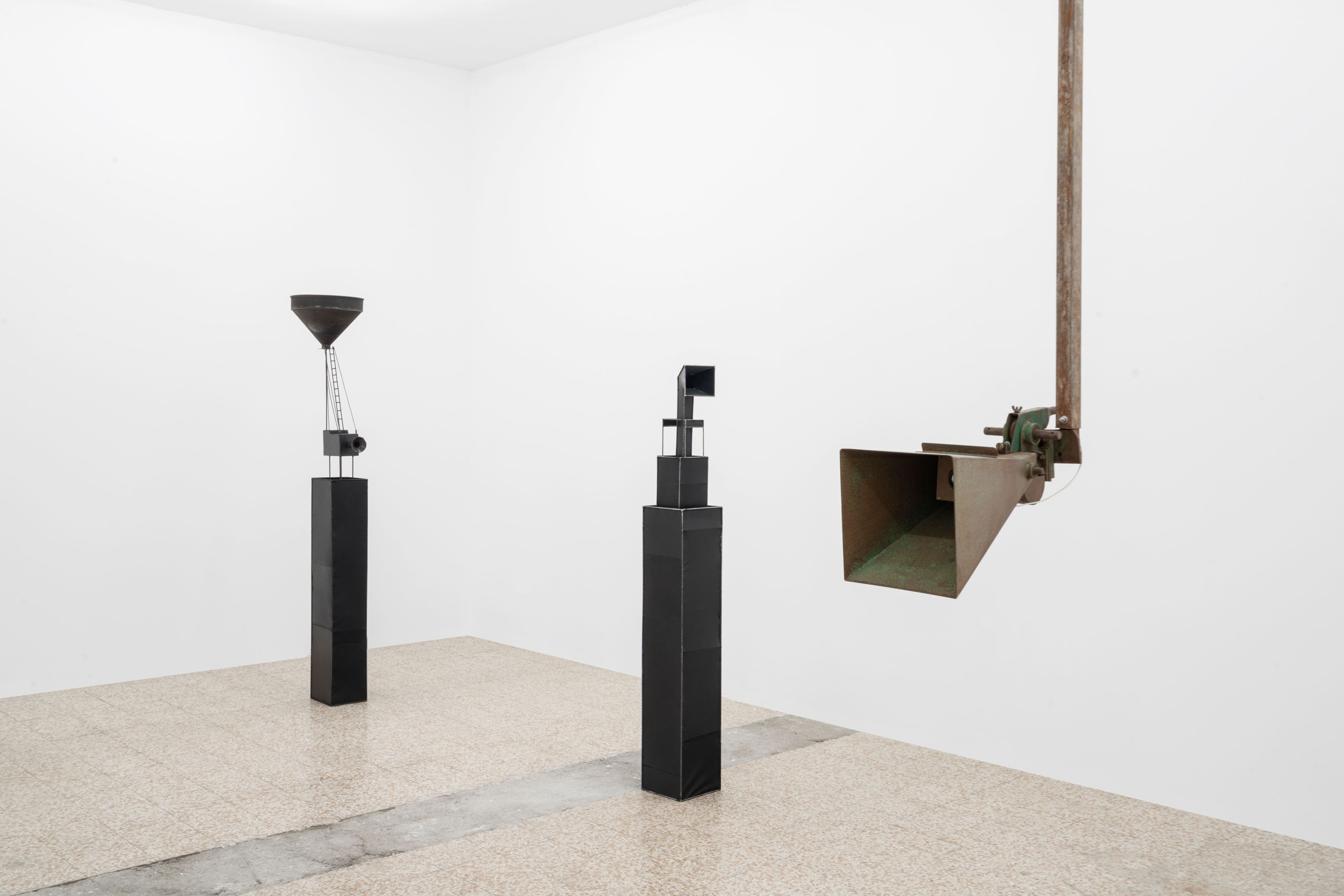
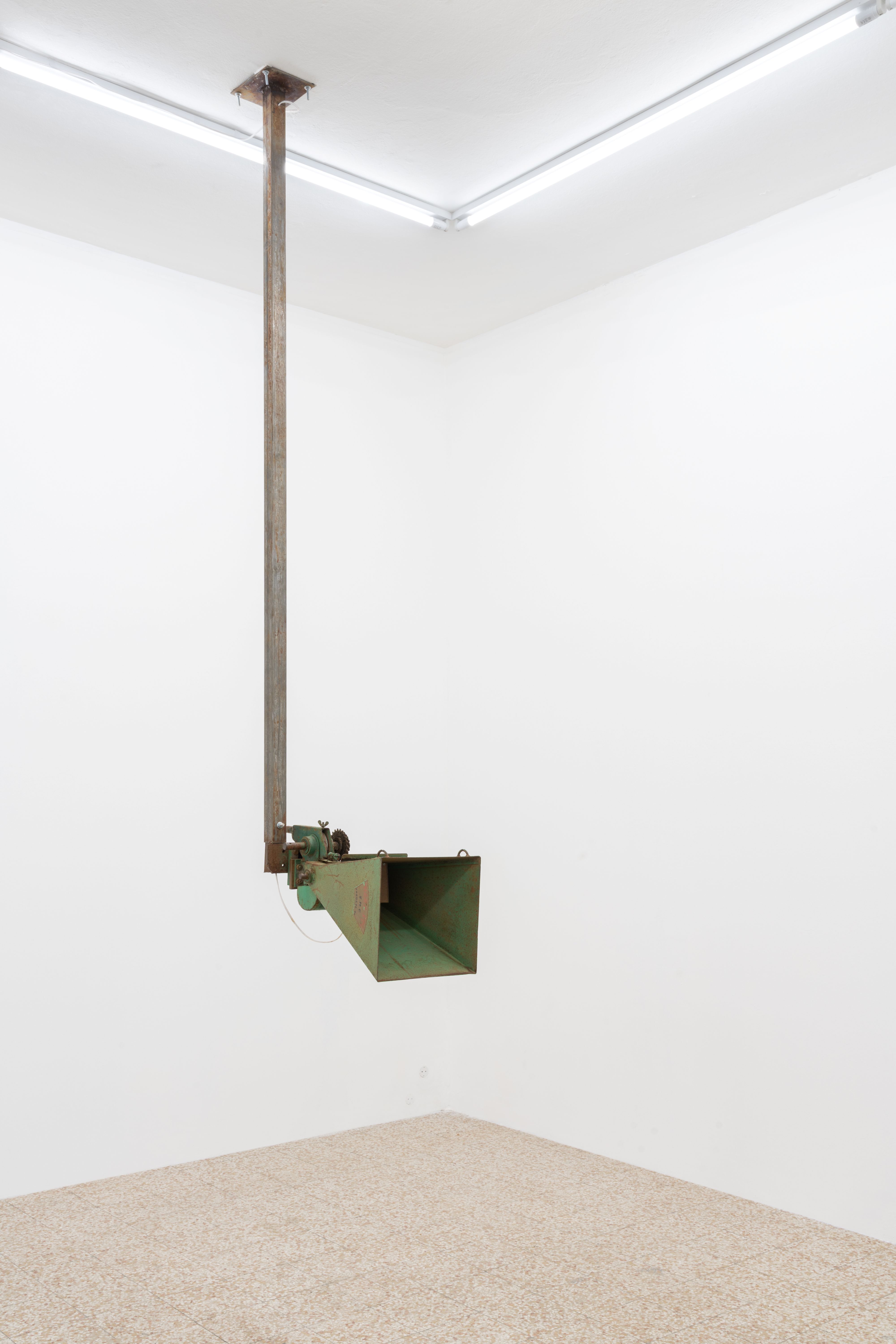
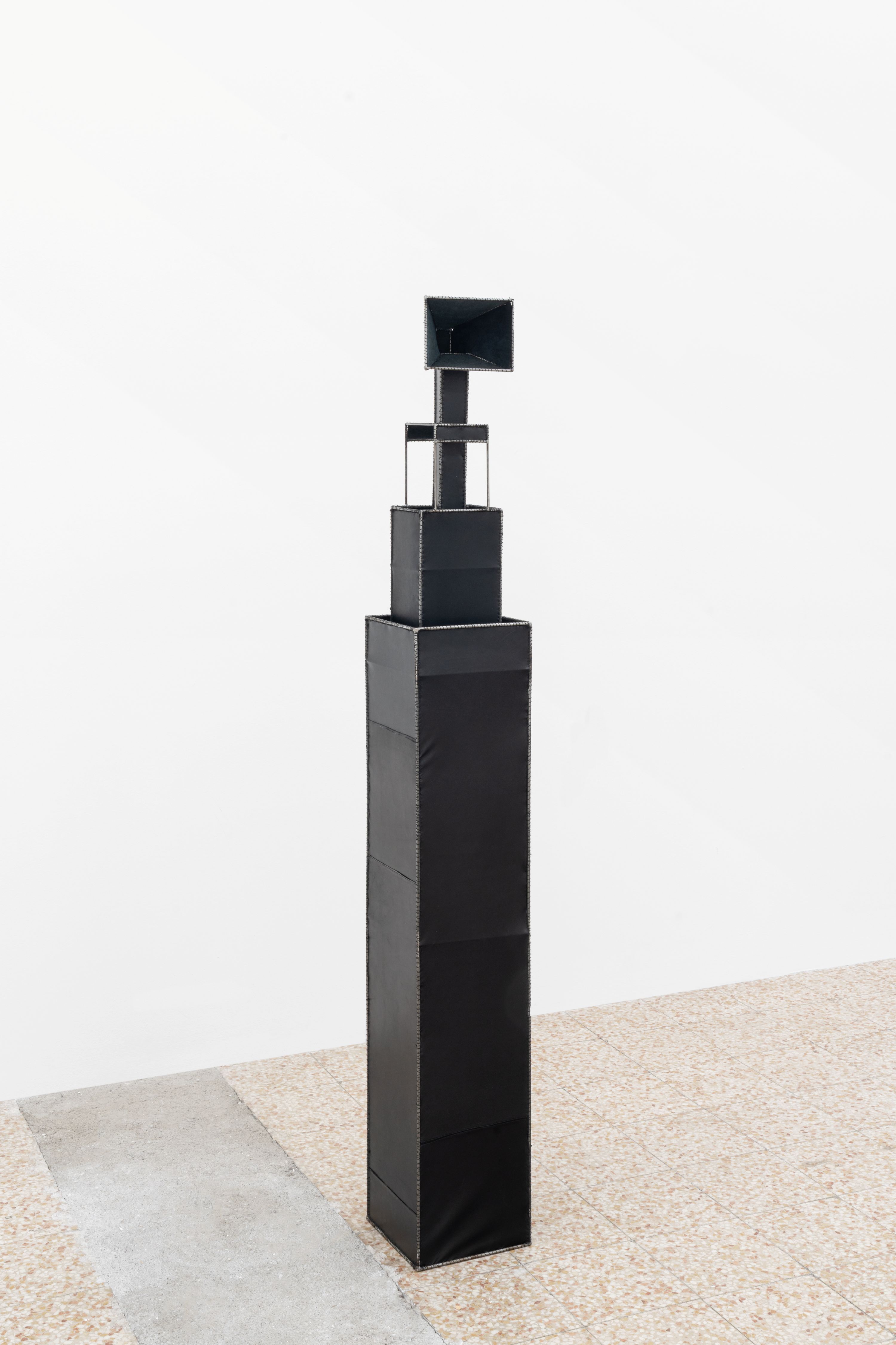
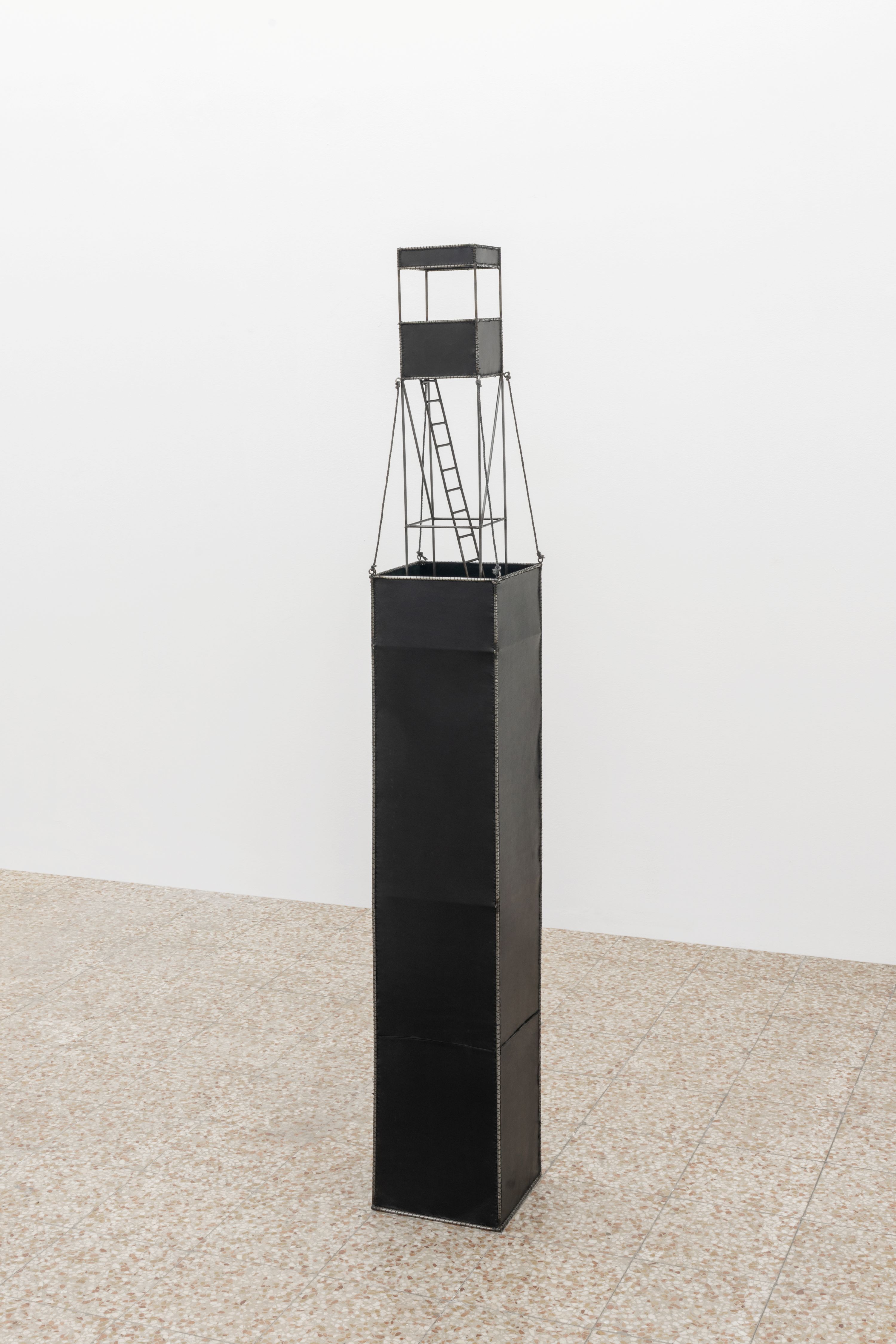
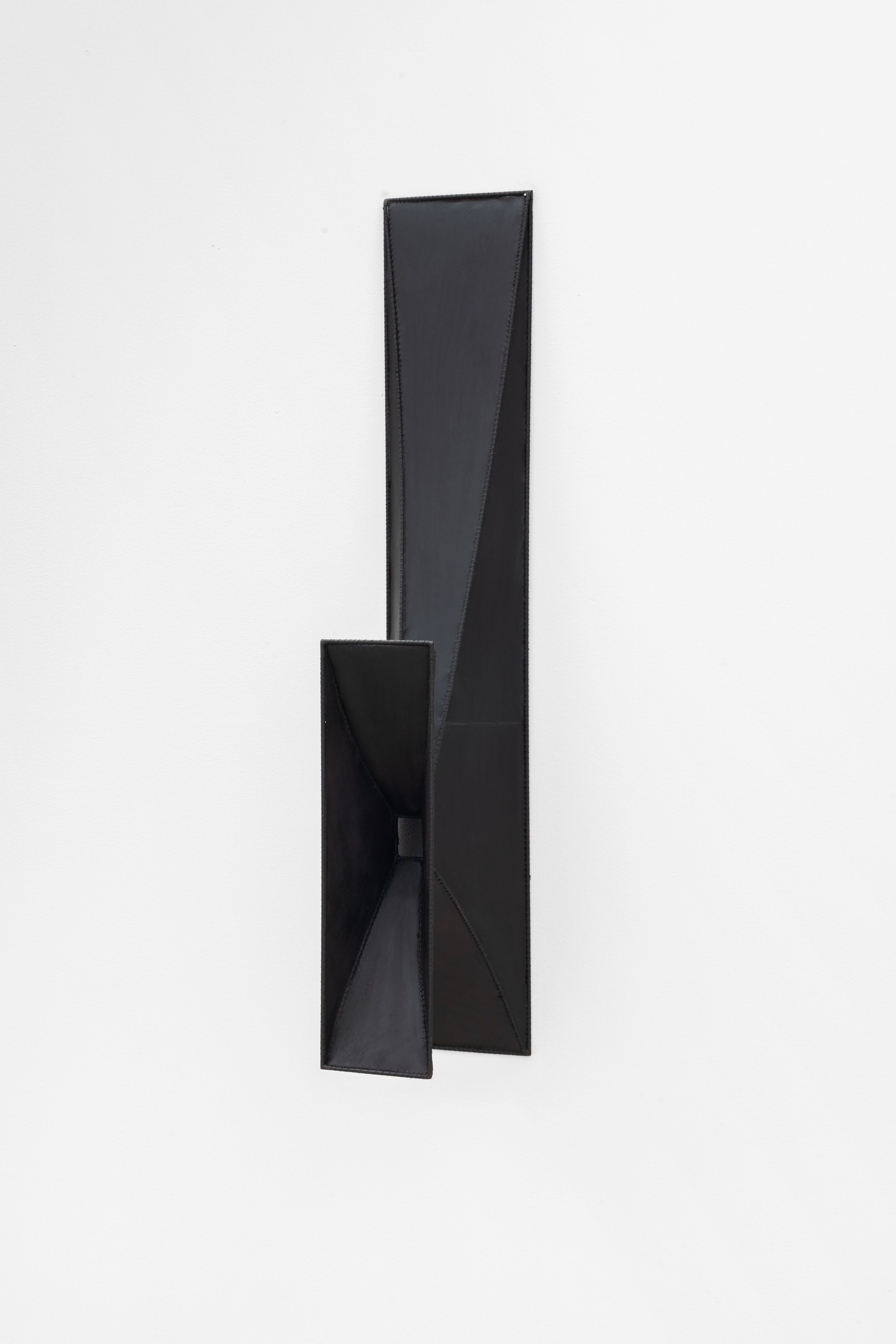
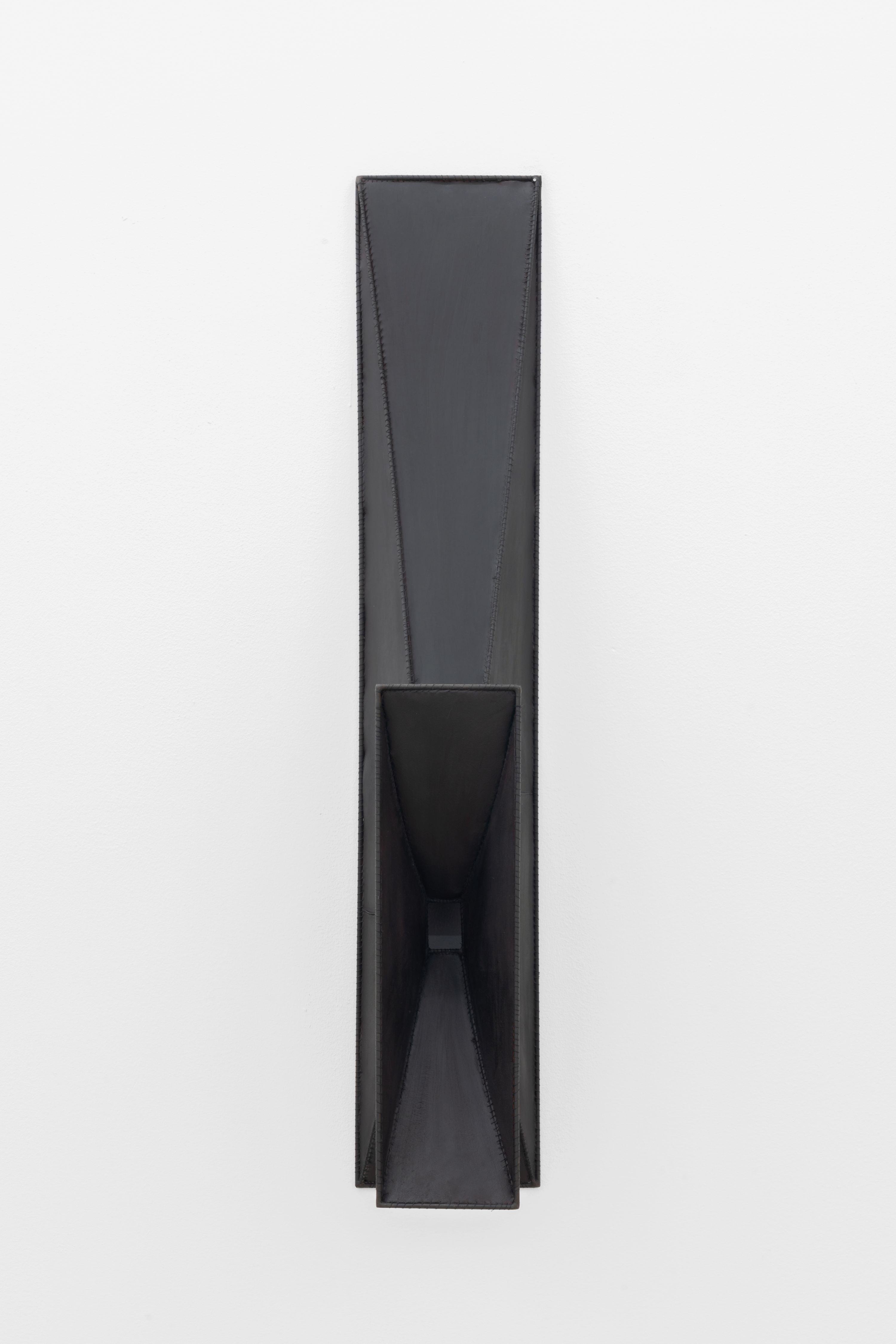
Around the squat streets without a hint of light. Lodged in the rusted cavities of the city. Follow the shade of trenches and towers that forbid us further. The land of sculptures accumulates all loose rays, with eternal soot of our working soul. In this periscopic vision the structures around us become postages stamps of pure infrastructure waiting out against the storm, the great exorcism of our earthen floor.
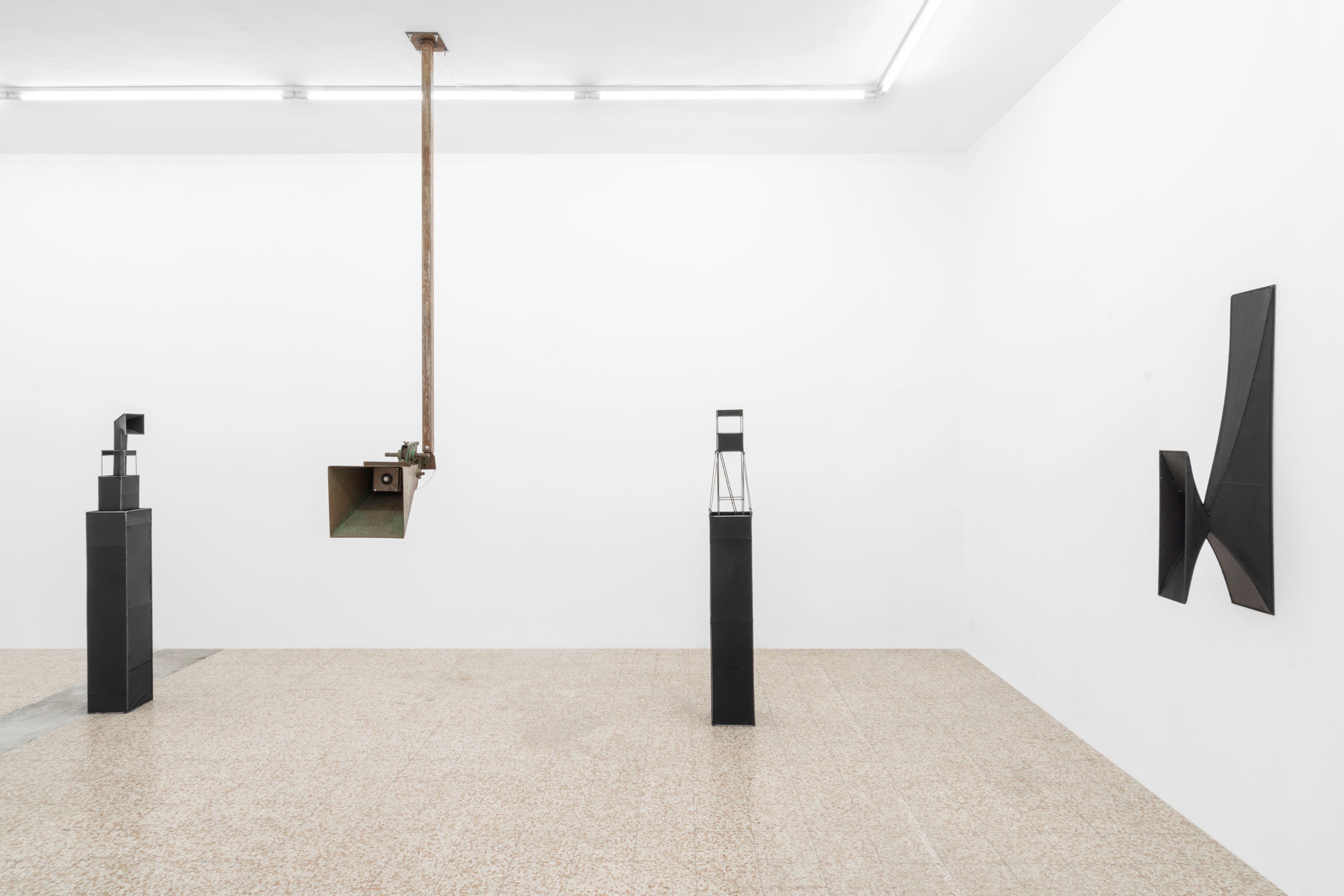
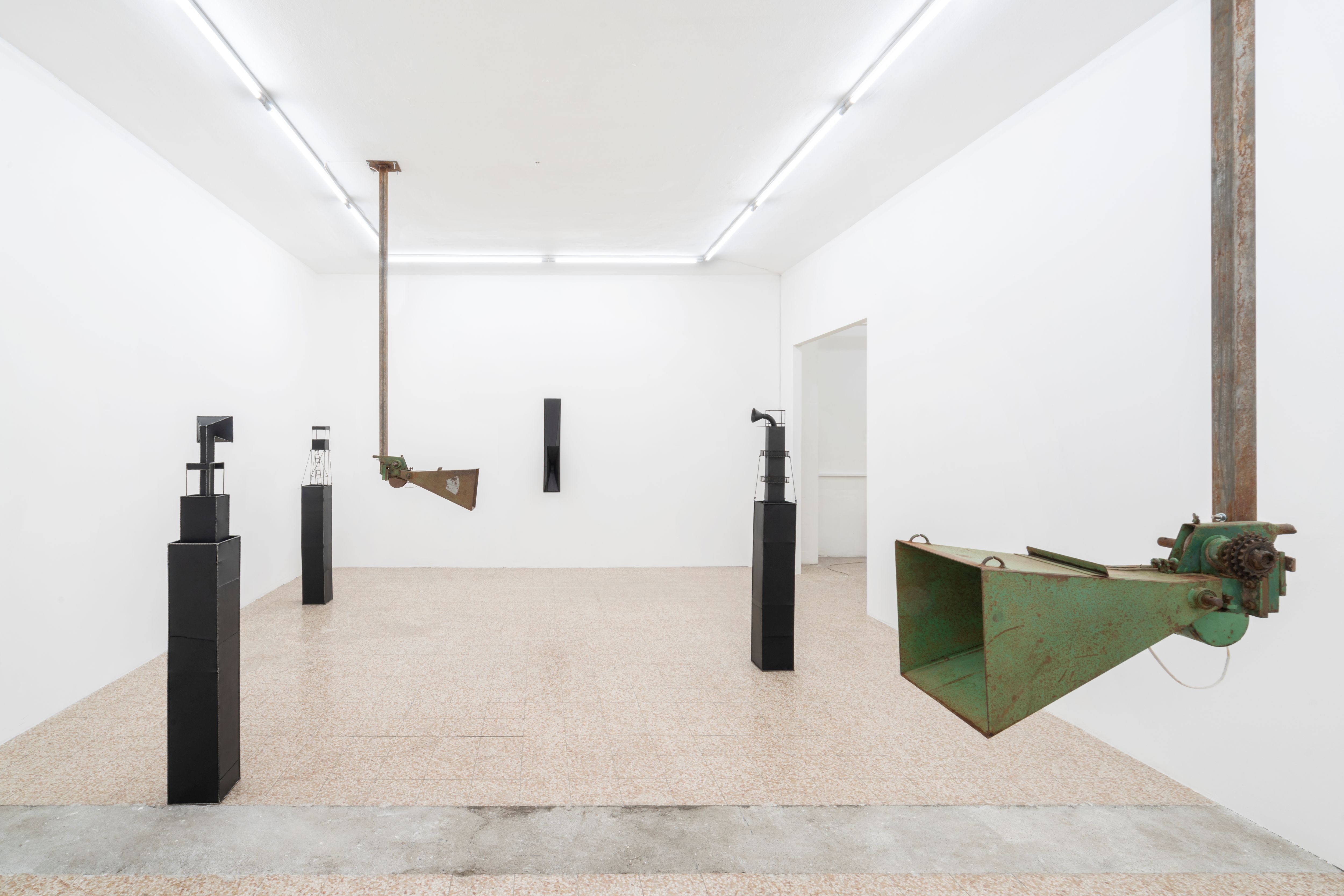
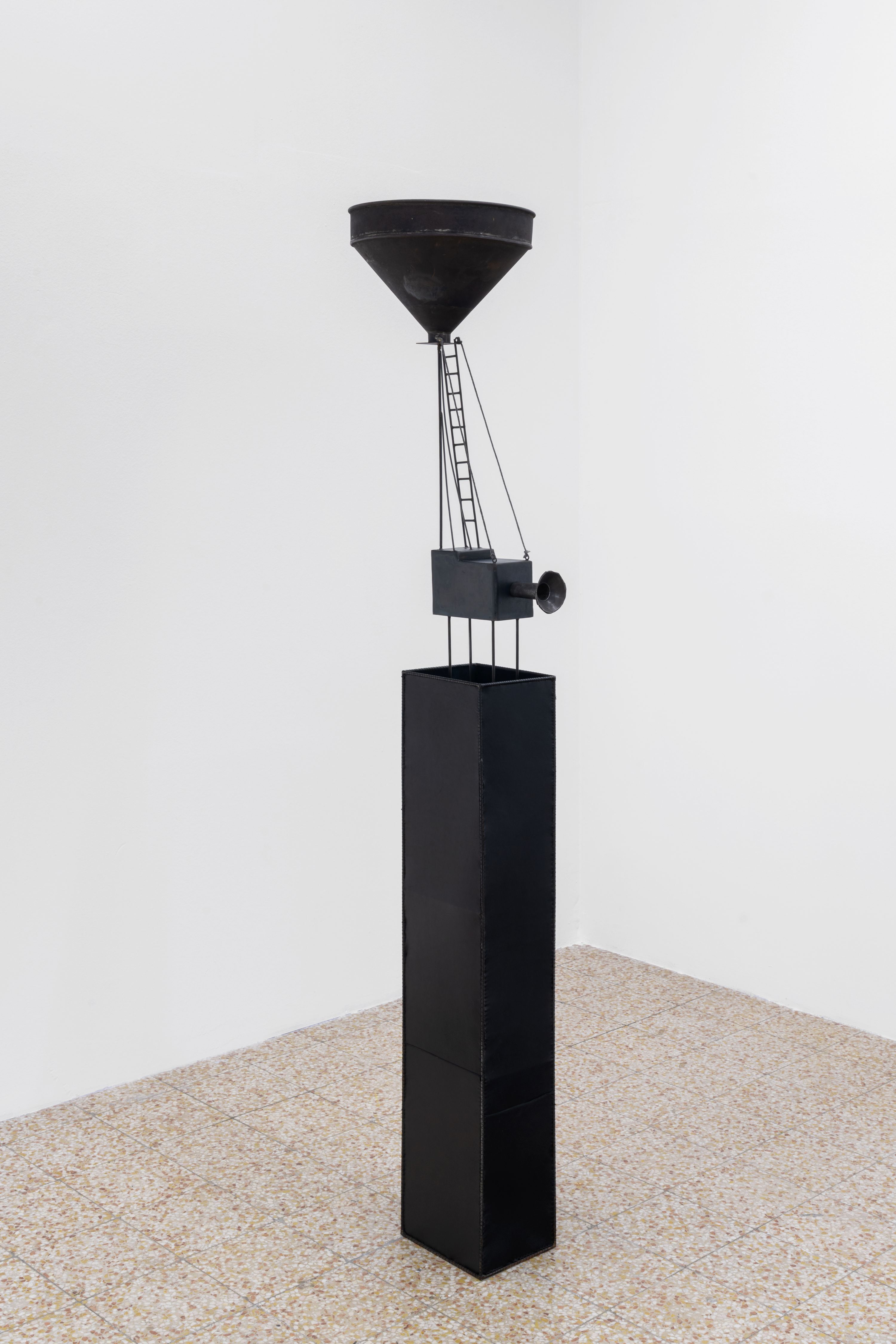
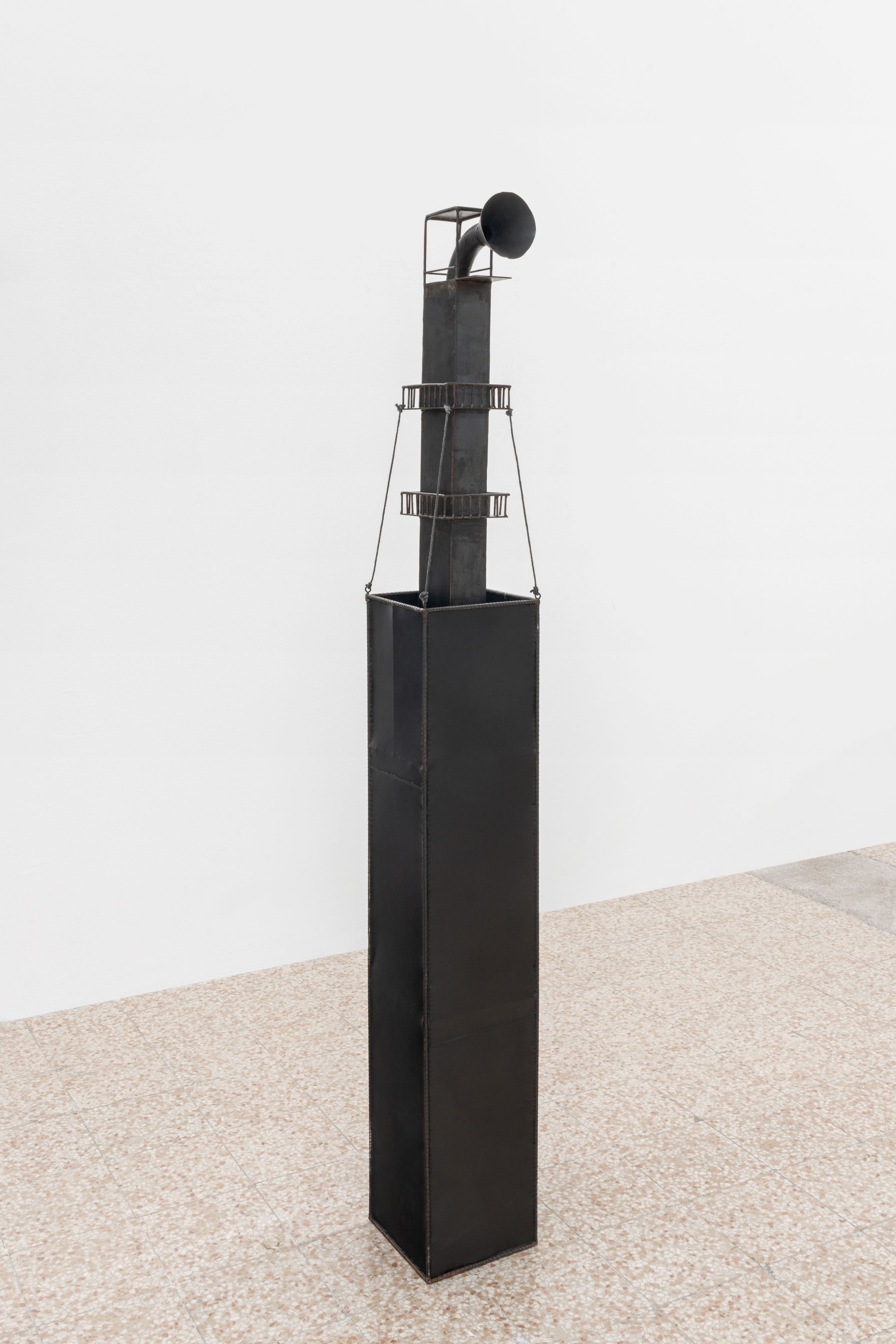
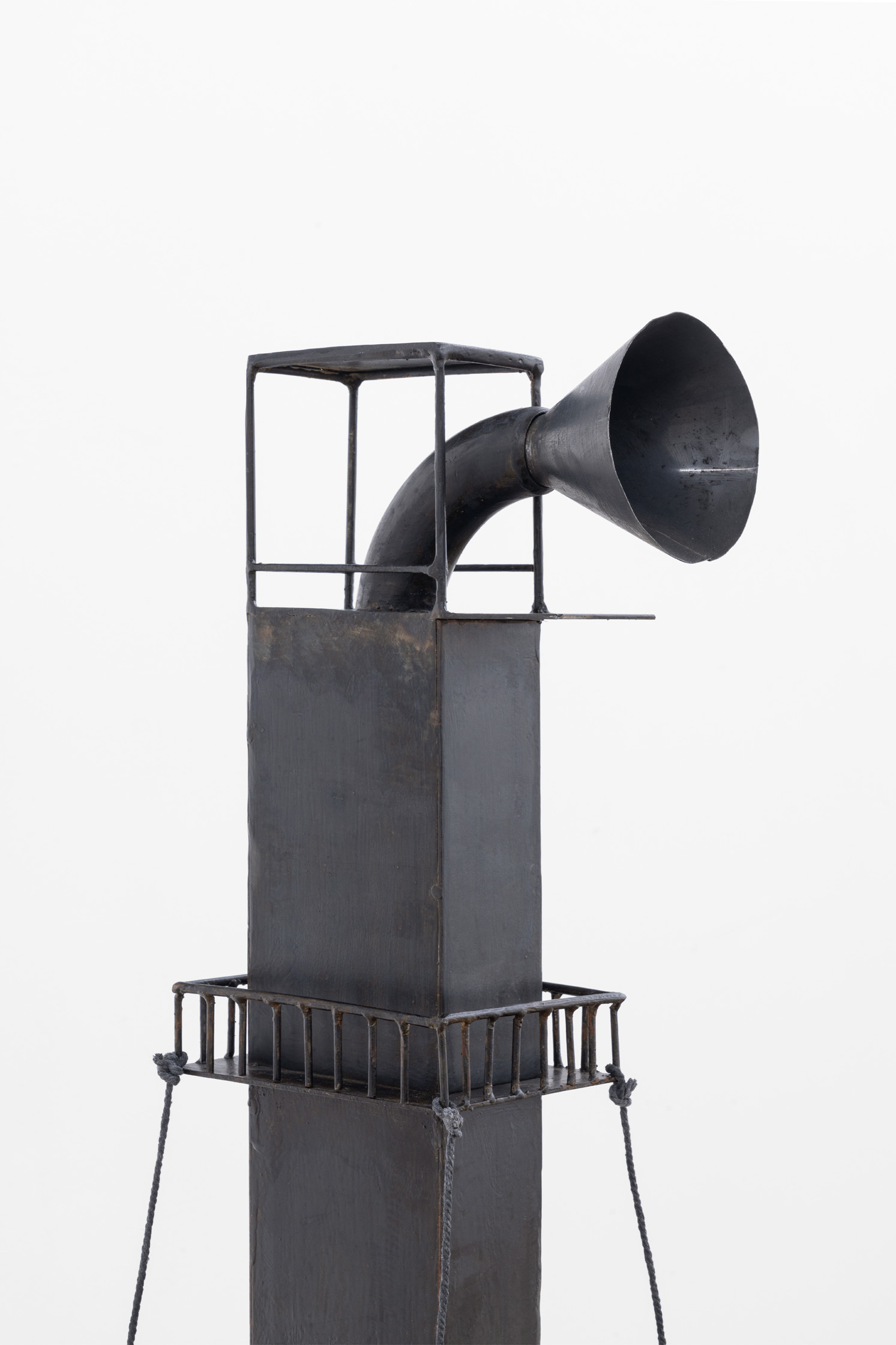
At first we align with a tiny black mass hovering seeming always far on distances horizon. As we gain closer, three in unison grow tall in volume as the body of the pitch of night. Their hollow scale remains stalling in relation to our own tenuous perception. The accumulated strata of material, crash into us as its sheened blackened corpus erupts up. Braided tension cables and welded wires wrench us down to the foot of our nature as site seers. With their forged hardened beams and open ended funnels collecting time as a potent energy to be watched. All smothered in the soot of the empire with its once ornate internal language.
Weaving by paraded boulevards of the port as rusted forms hang down, long-since-shuttered shops in the vein of a dirty minimalism. We enter, opening the creaky door in the Pandora’s box of worlds past. Our pupils dilate in this falling space, a stigmatic crash of our so called panoramic vision. Hanging objects track upward, turned against themselves towards the ever-always-becoming instruments of the unseen. Seeing out in cover from our newfound glassless cockpit-bunker into the vast horizons of painted illusion.
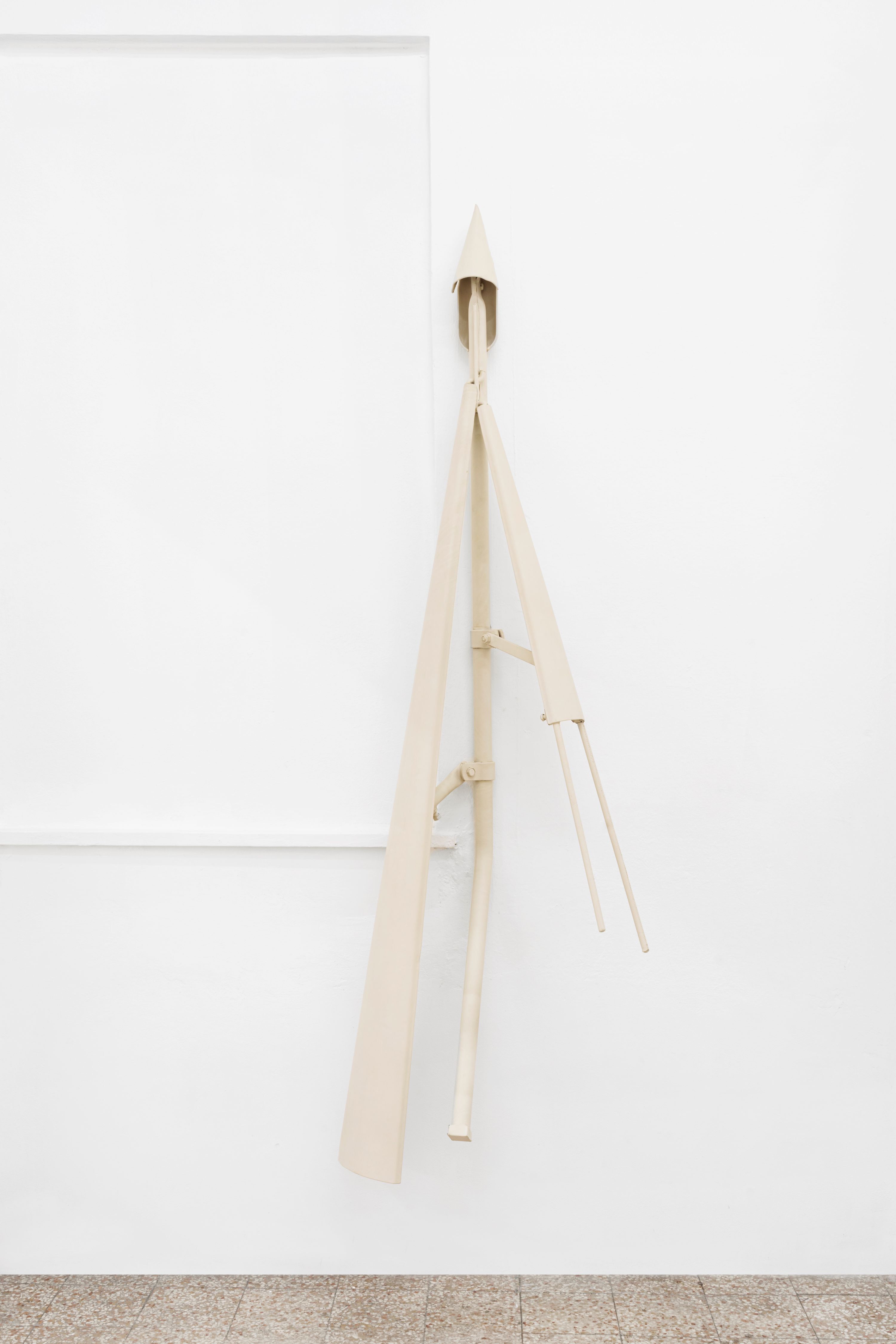
As our gears crunch oh so-slowly forward, lurching in their appetite for future rust. Avowed together as disciples for listening, here is a set of internal compositions for our ancient shared origins. A set of parts sing in unison as a ballad for the mechanics of the industry of us, the infinite ruins of Piranesi we live in today. From a recent time of free wheeling peace, recalled in a slow manual dance on-loop without pause or wavering.
As a fulcrums of power, the small lift the mighty. Us pilgrims of collapsed space are left with reality as the sole medieval ritual. Fraught with a penance we search out of the painted cliffs as they touch down upon the waters of cool erosion, channeling a gallowed potence into future power to come. In our act of observation we are engineers in reverse, deceiving our own vision conjoined by the state of states, allowing us to exist in-between our sandpaper earthen surface.
Watching here backed by the floating tools embodied with skin and rime of the earth. Worn hard like bones in true scale, these are keys of pure made asphalt and ever-so-brilliant dirt. The world of space, our world sculptures here hanging, are seen to be wedged, plow apart, to break and crack open the cobblestones of everyday-life, with small miracle. As an engineered sculpture of the crack which now open up to us to reveal itself as our true Junkopia. (1)
Rising ourselves above the Krullian crust with our winch, we see a speculative play all-everywhere-all-at-once-without-stop or-place. (2) Our own importance vastly underestimated within the agro-military complex of the great partitions of land. Thin strips of earth and metal woven together as braids of blood and life to give hope again within our expanded and anxious atmosphere, we-can’t-stop-turning-against-ourselves.(3)
All the internal gears of mind of mine have long since been uninhabited and tampered with in this attic ahead. Drawn together functions set true in the slow footprints of my passing time. Amassing in my ears ahead my own spiral inward in the screams of a storm dampened by soft snow on the roof. All the seasons and years scribble together as layered lives. We materials pile together as small treasures, us becomes a vast plinths of dust, standing tall.
Simon Shim-Sutcliffe
1
Junkopia by Chris Marker documents a set of assemblage sculptures in the mudflats beside I-80 outside of San Fransisco. In the end, it peers back towards the city the radio blares upwards, loud. The dream of the 1960’s is over.
2
The industrial photographic activities of Germaine Krull documented the world through an upward perspective akin to Rodchenko’s Soviet images, but not from the domain of the state. The Soviet’s mock executed her to bring her in line, she continued her documentary activities of the conditions of power unabated, albeit in the underground.
3
The Operational Landscape, Neil Brenner’s idea that the city and its hinterlands of the capitalocene are no longer separate but fundamentally intrinsic to each other. A far off farm of today in France is integral in the workings of a glass skyscraper in Paris.
ITA
Per le strade basse, senza luce. Annidati nelle cavità arrugginite della città, seguiamo l’ombra di trincee e torri che ci sbarrano il passaggio. La terra delle sculture trattiene ogni raggio disperso, nella fuliggine eterna della nostra anima operosa. In questa visione periscopica, le strutture intorno a noi si riducono a francobolli di pura infrastruttura, in attesa contro la tempesta, come nel grande esorcismo del suolo che abitiamo.
All’inizio ci allineiamo a una piccola massa nera sospesa, sempre distante sull’orizzonte. Avvicinandoci, tre forme crescono all’unisono, prendendo volume come il corpo stesso della notte. La loro scala cava resta in sospensione rispetto alla nostra percezione fragile. Gli strati accumulati di materia ci investono, mentre il loro corpo annerito e lucente si impone verso l’alto. Cavi intrecciati e fili saldati ci richiamano alla nostra condizione primaria di osservatori. Travi forgiate e imbuti aperti raccolgono il tempo come un’energia densa, da contemplare. Tutto è avvolto nella fuliggine dell’impero, nel residuo di un linguaggio interno un tempo ornato.
Ci muoviamo lungo i viali del porto, tra forme arrugginite sospese e negozi chiusi da tempo, in una sorta di minimalismo sporco. Entriamo, aprendo la porta cigolante di una scatola di Pandora di mondi passati. Le pupille si dilatano in questo spazio che cede, uno schianto nella nostra presunta visione panoramica. Oggetti sospesi si tendono verso l’alto, ripiegati su se stessi, rivolti a strumenti dell’invisibile in continuo divenire. Da questa nuova cabina-bunker senza vetri, guardiamo verso orizzonti vasti, fatti di illusioni dipinte.
I nostri ingranaggi avanzano lentamente, mossi da una fame di ruggine futura. Uniti come discepoli dell’ascolto, incontriamo qui una serie di composizioni interne, legate alle nostre origini condivise. Le parti risuonano all’unisono come una ballata per la meccanica della nostra industria, nelle infinite rovine piranesiane che oggi abitiamo. Un tempo recente di libertà ritorna, in una danza manuale lenta e continua, senza pausa né esitazione.
Come fulcri di potere, i piccoli sollevano i grandi. Noi, pellegrini di uno spazio collassato, restiamo con la realtà come unico rituale possibile. Gravati da una forma di penitenza, cerchiamo oltre le scogliere dipinte, là dove toccano acque di erosione fredda, incanalando una potenza trattenuta verso ciò che verrà. Nel nostro osservare diventiamo ingegneri al contrario: disallineiamo la visione, restando congiunti in una condizione intermedia, sospesi tra le superfici abrasive della terra.
Restiamo a guardare, sostenuti da strumenti fluttuanti rivestiti della pelle e della brina della terra. Consumati come ossa nella loro scala reale, sono chiavi fatte di asfalto e materia viva. Il mondo dello spazio, il nostro mondo di sculture sospese, appare incastrato, pronto a fendere e aprire il selciato della vita quotidiana, con un piccolo miracolo. Una scultura della crepa che si dischiude davanti a noi, rivelandosi come la nostra vera Junkopia.1
Sollevandoci sopra la crosta krulliana con il nostro argano, assistiamo a una scena speculativa ovunque, simultanea, senza tregua né luogo.2 La nostra importanza resta sottovalutata all’interno del complesso agro-militare delle grandi partizioni della terra. Sottili strisce di suolo e metallo si intrecciano come vene di sangue e vita, restituendo una fragile possibilità di speranza nella nostra atmosfera espansa e inquieta, mentre continuiamo a rivolgerci contro noi stessi.3
Gli ingranaggi interni della mente sono da tempo disabitati, manomessi in questa soffitta che ci precede. Le funzioni si ricompongono lentamente, nelle impronte del tempo che attraversiamo. Nelle orecchie si accumula una spirale verso l’interno, il suono di una tempesta attutita dalla neve sul tetto. Stagioni e anni si sovrappongono come strati di vita. I materiali si depositano come piccoli resti, fino a diventare un vasto piedistallo di polvere, che ancora si regge.
1
Junkopia, film di Chris Marker, documenta un insieme di sculture assemblate nelle piane fangose accanto alla I-80, fuori San Francisco. Nel finale, lo sguardo torna verso la città mentre la radio risuona in lontananza: il sogno degli anni Sessanta è finito.
2
Le fotografie industriali di Germaine Krull adottano uno sguardo dal basso verso l’alto, vicino a quello di Rodchenko ma fuori dall’apparato statale. Dopo una finta esecuzione inscenata per disciplinarla, continuò a documentare le condizioni del potere in modo indipendente, spesso in clandestinità.
3
Operational Landscape, concetto di Neil Brenner: città e hinterland, nel capitalocene, non sono più separati ma intrinsecamente connessi. Una fattoria nella Francia contemporanea partecipa direttamente al funzionamento di un grattacielo a Parigi.
Photo credits Agnese Bedini, DSL Studio